Practice Case
A learner asks four table-flow questions at once: Charleston, calling, exposures, and courtesy pass. What is the safest first answer?
Learn
Draw, decide, discard, and listen for calls in a clean turn rhythm.
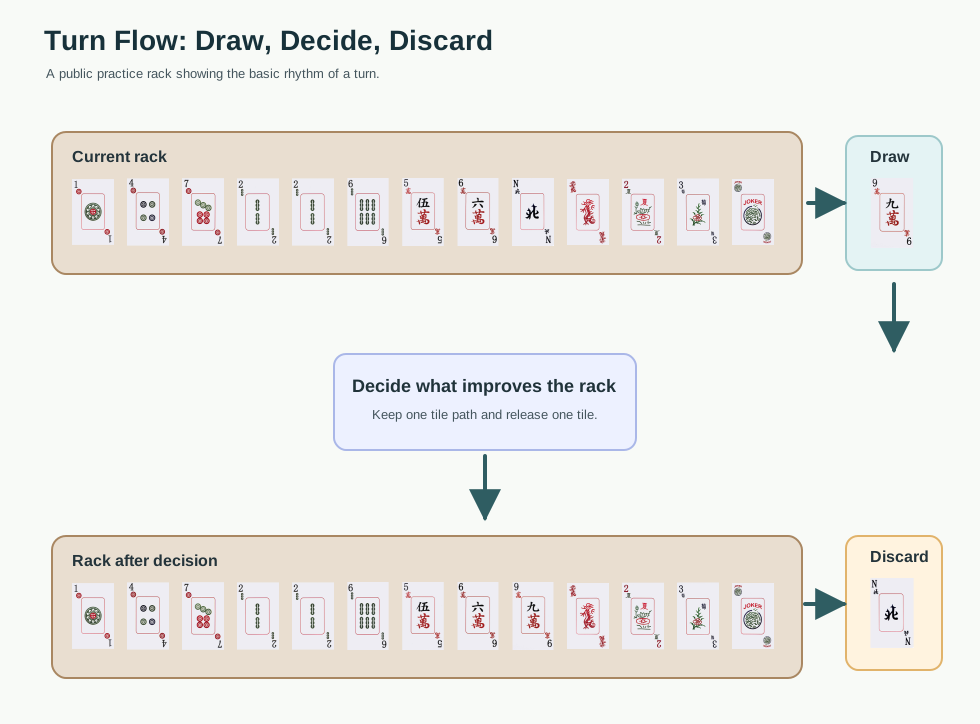
A normal turn has six learner checkpoints: receive a tile by draw or legal claim, settle it into the rack or exposure, compare the rack before choosing a discard, name and place the discard clearly, pause while the table has a chance to react, then let attention move to the next player.
Use this numbered routine at beginner tables: 1. Receive a tile by draw or legal claim. 2. Settle the tile and check whether it changes your rack support. 3. Choose a discard from current rack and visible-table evidence. 4. Name and place the discard clearly. 5. Hold a short call pause. 6. Reset attention only after the table has passed on the discard or a call has been handled.
This lesson is about timing and table operations, not choosing an annual-card target. Keep exact hand lines, section layouts, scoring, and notation on the learner's own official card or table-agreed material.
What happens during the Charleston? Before normal turns begin, players pass tiles through a table-agreed passing sequence. The public lesson should describe the pass, receive, inspect rhythm and table-agreement points such as optional continuation, not exact annual-card hand targets.
When can I call a discard? A player calls when the just-discarded tile can legally and usefully complete the exposed group they are making under the table's rules. The beginner habit is to speak promptly, make the exposure visible, then discard from the remaining rack after the table state is settled.
What does an exposure tell the table? It shows a public group and often narrows what other players can infer about suit, number, honor, or joker context. It does not reveal the rest of the rack, and learners should avoid announcing private annual-card targets.
Are courtesy pass rules the same at every table? No. Courtesy pass details are table-agreed habits, so confirm the count and boundaries before tiles move. Treat variation as a setup and etiquette question, not as something to repair after private rack information has changed.
Practice Case
A learner asks four table-flow questions at once: Charleston, calling, exposures, and courtesy pass. What is the safest first answer?
Start only after the previous discard has had a fair call pause. Draw according to the table flow, bring the tile to your rack, and give yourself one quiet scan. Look for whether the draw strengthens a pair, supports a cluster, creates a cleaner discard, or changes nothing important.
When you discard, make the action public: name the tile clearly, place it where the table expects discards, keep your hand out of the way, and do not reach for the wall again. The next player's turn begins only after the table has had time to react.
A player discards clearly, but the next player reaches for the wall before everyone has looked up from their racks.
What should the table say?
Answer: Pause the reach and finish the call window before the next draw.
A clear call pause protects the player who may need the discard and prevents the next turn from starting on top of the previous one.
A learner places a tile in the discard area without naming it, and two players are unsure what was thrown.
What is the beginner-safe repair?
Answer: Ask the discarder to name the tile clearly, then restart the call pause.
Calls depend on hearing and seeing the same public information. Re-naming the discard repairs the table flow without revealing private rack plans.
When you call, say the call promptly and clearly. Bring the claimed tile into the exposed group, arrange the exposure where the table can see it, then check the remaining rack once before choosing the required discard. Do not mix exposure building, rack sorting, and discarding into one fast motion.
After a claimed-discard turn, the table resets from the caller's new discard, not from the original discarded tile. Everyone should now evaluate the new discard and the new exposure as visible information.
A player calls just as the next player begins to draw, and the table is not sure whether the call was heard in time.
What should beginners do before continuing?
Answer: Stop the motion, clarify the timing with the table or teacher, then resume from the agreed state.
Timing disputes should be repaired before new hidden information enters the turn. Beginners should not improvise a private ruling while tiles keep moving.
Before discarding, use a private rack scan: what did the draw change, what tiles are isolated, what visible exposures matter, and which discard is least useful to your current direction? After discarding, switch from private thinking to public timing: hands still, voice clear, eyes on the table.
The after-discard pause should not become table coaching. It is enough to give players a fair chance to call or pass. Avoid comments such as what someone should have wanted, which hand they might be playing, or what the annual card says about a specific target.
A learner draws, instantly discards, and another player says they did not have time to call.
What repair action should the table use?
Answer: Use a draw, decide, discard, pause rhythm.
The rhythm protects both the player making the decision and the players watching for calls.
A player draws a tile and immediately discards a different tile without checking whether the draw changed a pair, cluster, or discard candidate.
What should the repair be on the next turn?
Answer: Settle the drawn tile, scan the rack once, then choose the discard.
The draw can change what is supported. A brief rack check is part of the turn, not a delay.
A learner claims a discard, starts making an exposure, and drops a new discard before the table can see what changed.
What is the clean repair sequence?
Answer: Finish the exposure clearly, check the rack once, then name and place the discard before pausing for calls.
A claimed discard still leads back into the same turn rhythm. The table needs to see the exposure, hear the discard, and have a fair call window.
Useful repair phrases are short and procedural: "Pause for calls," "Please name the discard," "Let's finish the exposure first," "Hold the draw until the table passes," and "Let's ask the table rule before we continue." These phrases fix the turn flow without telling anyone what to keep or throw.
If a timing issue may affect legality, stop adding new information. Do not draw another tile, expose more tiles, or discuss hidden rack contents until the table agrees how to continue. At casual tables, the host or teacher may set a house repair; in organized play, use the applicable official or event rules.
Practice Case
What should happen immediately after a player names a discard?
Practice Case
Which habit helps a beginner before discarding?
Practice Case
What is the best beginner description of a normal turn?
Practice Case
A learner draws a helpful tile. What should happen before they discard?
Practice Case
A player claims a discard and begins arranging an exposure. What should happen before that player discards?
Practice Case
Someone calls a discard just as the next player reaches toward the wall. What is the safest beginner table response?