Blog
2026 NMJL Card Strategy: Build a Winning Shortlist in 30 Minutes
A concrete rack-audit method for turning the official 2026 card into two playable directions before your next game.
Study the current card safely without copying protected content.
Key Takeaways
- Score your rack before you choose a direction
- Build a two-direction shortlist
- Use the 7-tile commitment threshold
Score your rack before you choose a direction
Use this private scoring drill with your official 2026 card: give 2 points for a natural pair that appears useful, 2 points for each joker that can support a flexible group, 1 point for each flower or high-demand support tile you can use, and subtract 1 point for every tile that fits only one fragile idea. This is not official scoring; it is a decision aid. If a direction cannot reach 7 or more support points after the Charleston, treat it as a backup, not your main plan.
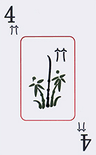
Build a two-direction shortlist
Do not pick one beautiful target and defend it like a thesis. Pick two directions: one primary path that uses your strongest natural tiles, and one pivot path that shares at least four tiles with the primary. Shared tiles are your insurance. If a draw helps both paths, keep it. If a tile helps only the weaker path and creates a dangerous discard later, let it go earlier while the table is still noisy.
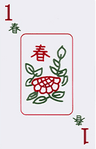
Sample shortlist rack: anchors, pivots, and pass candidates
 Flower
 Flower
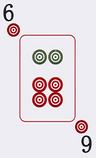 6 Dot
6 Dot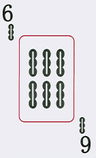 6 Bam
6 Bam Joker
Joker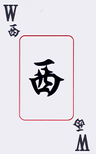 West
West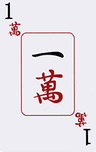 1 Crak
Use the 7-tile commitment threshold
After the Charleston, count how many tiles genuinely support your best direction, including jokers only where they make strategic sense. At 7 or more useful tiles, you can start playing for tempo. At 5 or 6, stay flexible and avoid early exposure unless the call solves a real bottleneck. At 4 or fewer, stop pretending you are committed; your job is to preserve pairs, jokers, and flexible numbers until the wall gives you a better story.
Track bottleneck tiles, not every tile
Strong players are not counting the whole discard floor equally. They identify the two or three tiles that would make their plan collapse. If two copies of a bottleneck tile are already visible in discards or exposures, lower that direction by one full tier. If your direction mostly needs replaceable group tiles and your pairs are already solved, you can keep pressing.
The 30-minute drill
Spend 10 minutes marking flexible directions on your official card in private notes, 10 minutes dealing random racks and building two-direction shortlists, and 10 minutes deciding which three tiles you would pass first. Do not write public notes that recreate protected card content. Write decision notes: anchor pair, shared tiles, bottleneck, pivot, first safe discard.
Keep the decision moving
Use this article as a starting point, then ask about your own rack, table habit, product fit, or customer story.