Blog
Hand Direction Math: Choose, Pivot, or Abandon a Hand
A decision system for ranking American Mahjong hand directions by tile support, pair burden, joker value, and defensive risk.
Compare fit, readability, and table use before you buy.
Key Takeaways
- Count support, not desire
- Apply the pair burden test
- Use pivot overlap
Count support, not desire
A direction starts live when it has natural support, not when you like it. Count tiles that already fit, jokers that can realistically support groups, pairs that solve hard requirements, and flexible tiles shared with a backup. Ignore tiles you hope to get someday. Hope does not belong in the count.
Support-count rack: useful, shared, and wishful tiles
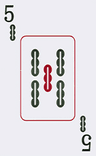 5 Bam
5 Bam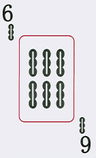 6 Bam
6 Bam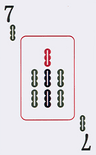 7 Bam
7 Bam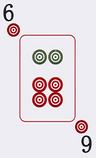 6 Dot
6 Dot Joker
Joker East
EastApply the pair burden test
Pairs are expensive because you cannot simply treat every future tile as replaceable. If a direction still needs multiple natural pairs you do not have, downgrade it unless your rack already has strong supporting structure. A lower-glamour direction with solved pairs often beats a flashy direction with pair debt.
Use pivot overlap
The best backup plan shares tiles with the main plan. If your primary and backup use five of the same tiles, you can wait longer before committing. If they share only one or two, you must choose sooner or your rack becomes a museum of maybes.
Abandon when the bottleneck goes cold
A direction should be abandoned when its bottleneck tiles are mostly visible elsewhere, when an opponent has exposed into the same lane, or when your draws keep strengthening the backup instead. Pivoting early feels painful; pivoting late is usually just donating discards.
Commit only when the call helps the math
Calling a discard should change your status: from scattered to live, live to pressuring, or pressuring to close. If it only makes the rack prettier, pass. Every exposure spends secrecy. Spend it when the math improves, not when your nerves want reassurance.
Keep the decision moving
Use this article as a starting point, then ask about your own rack, table habit, product fit, or customer story.