Blog
Charleston Keep/Pass Matrix: Stop Giving Away Winning Tiles
A practical Charleston matrix for deciding what to keep, what to pass, when to stop, and how not to feed the table.
Compare fit, readability, and table use before you buy.
Key Takeaways
- Sort every tile into one of four buckets
- Pass weakness, not information
- Use the five-trash rule to decide whether to continue
Sort every tile into one of four buckets
Before the first pass, label your rack: anchors, flexible helpers, disposable tiles, and dangerous gifts. Anchors are pairs, jokers, flowers, and tiles that connect to your strongest private card directions. Flexible helpers support two or more possible paths. Disposable tiles do not fit your top two paths. Dangerous gifts are tiles that may be useless to you but very useful to someone else, such as pairs you are breaking, obvious sequences, or same-number clusters.
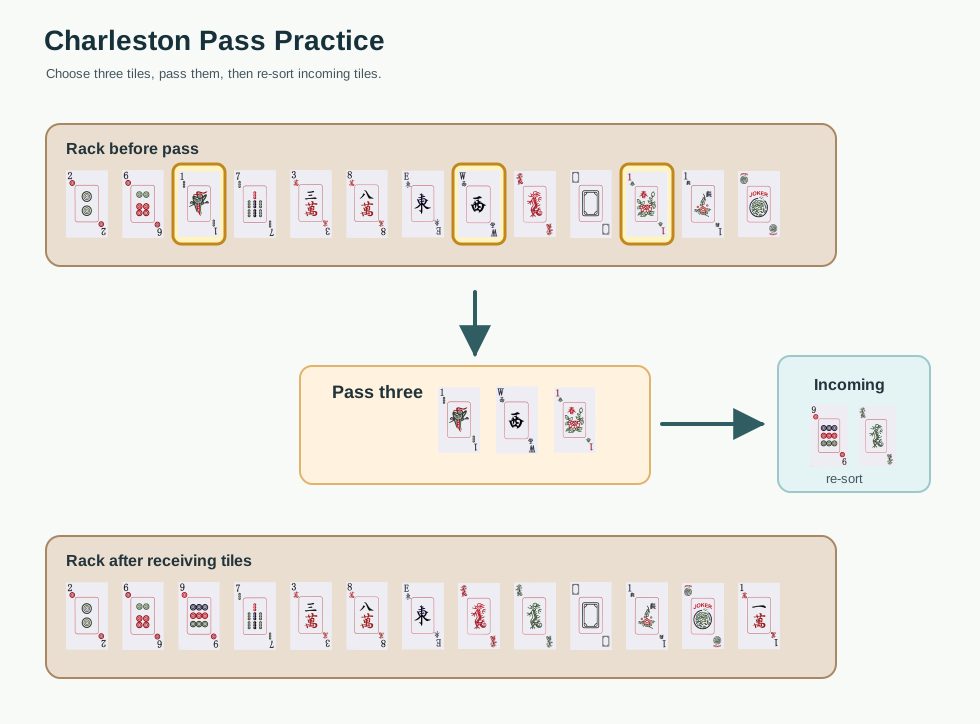
Keep/pass matrix example
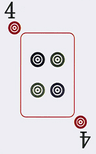 4 Dot
4 Dot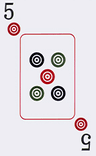 5 Dot
5 Dot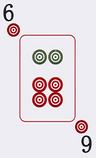 6 Dot
6 Dot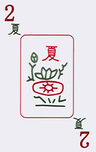 Flower
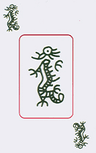 Green
Green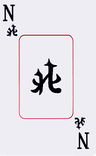 North
NorthPass weakness, not information
The lazy pass is three tiles you dislike. The better pass is three tiles that reveal as little as possible and do not arrive as a ready-made gift. Avoid passing three tiles from one suit, three connected numbers, three of the same number family, or a pair plus its neighbor. If you must break a pair, split it across different passes when the table flow allows it.
Use the five-trash rule to decide whether to continue
After the first Charleston, count tiles you can pass without damaging your top two directions. If you have five or more true trash tiles, continuing is usually useful. If you have only three passable tiles and one of them hurts, stop pushing the exchange. A second Charleston is not free when your rack is already organized.
Read what does not come back
The tiles you never see again are table information. If you pass winds and none circulate back, someone may be collecting them. If flowers vanish, treat flower discards later as hotter than they look. If a number family keeps disappearing, mark that family as contested and be slower to throw matching tiles once exposures begin.
Courtesy pass with a purpose
In the courtesy pass, do not exchange just because the table offers it. Trade only if the tile you give away is clearly outside both directions and the possible return can improve flexibility. If your rack is already strong, a zero-tile courtesy pass is a defensive decision, not bad manners.
Keep the decision moving
Use this article as a starting point, then ask about your own rack, table habit, product fit, or customer story.