Blog
20-Minute American Mahjong Warm-Up Before Game Night
A fast practice routine for returning players who want sharper tile speed, better Charleston choices, and fewer rushed calls.
Compare fit, readability, and table use before you buy.
Key Takeaways
- Minutes 0-5: tile speed
- Minutes 5-10: Charleston keep/pass drill
- Minutes 10-15: call or do not call
Minutes 0-5: tile speed
Shuffle 14 random tiles and sort them into suits, honors, flowers, and jokers as fast as you can without mistakes. Then name each tile out loud. The goal is not beauty; it is reducing the mental tax of recognition so your brain can spend more energy on strategy.
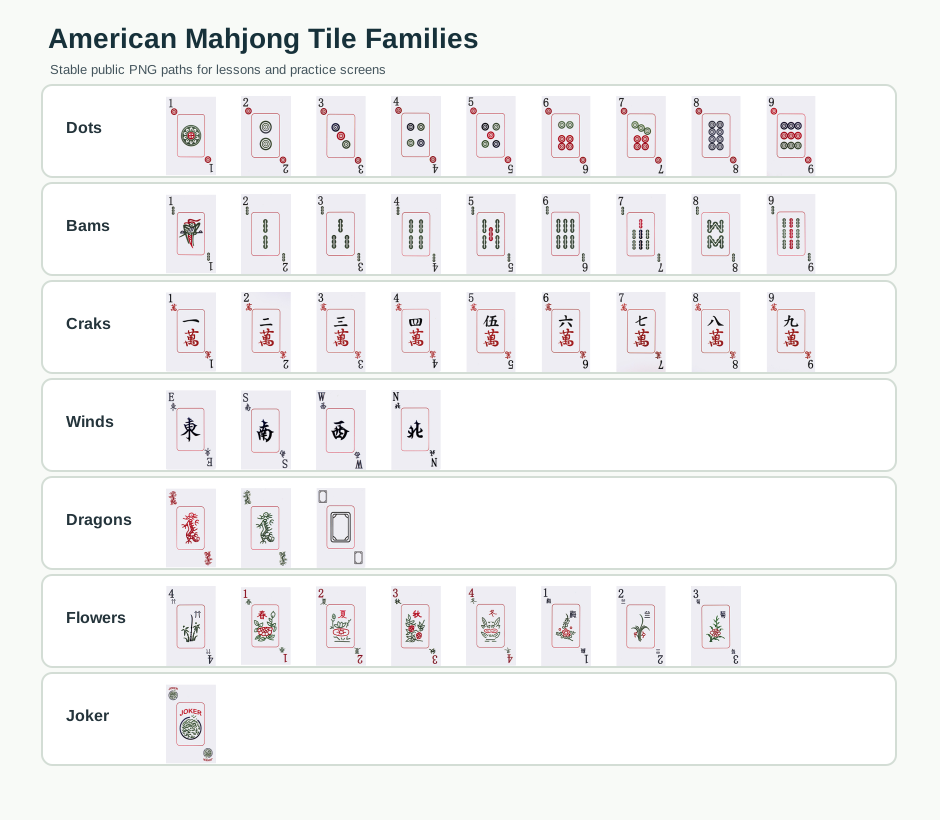
Minutes 5-10: Charleston keep/pass drill
Deal a rack, label each tile anchor, flexible, disposable, or dangerous gift, then choose three passes. After each imaginary pass, re-sort and name the new top two directions. If you cannot explain why a tile is being passed, it probably belongs in the maybe pile for one more pass.
Minutes 10-15: call or do not call
Create three sample discards. For each, decide whether calling would move you to one-away, solve a bottleneck, or only expose you early. If the call does not clearly improve tempo or pressure, practice saying no. Many returning players lose more from eager calls than from missed lucky tiles.
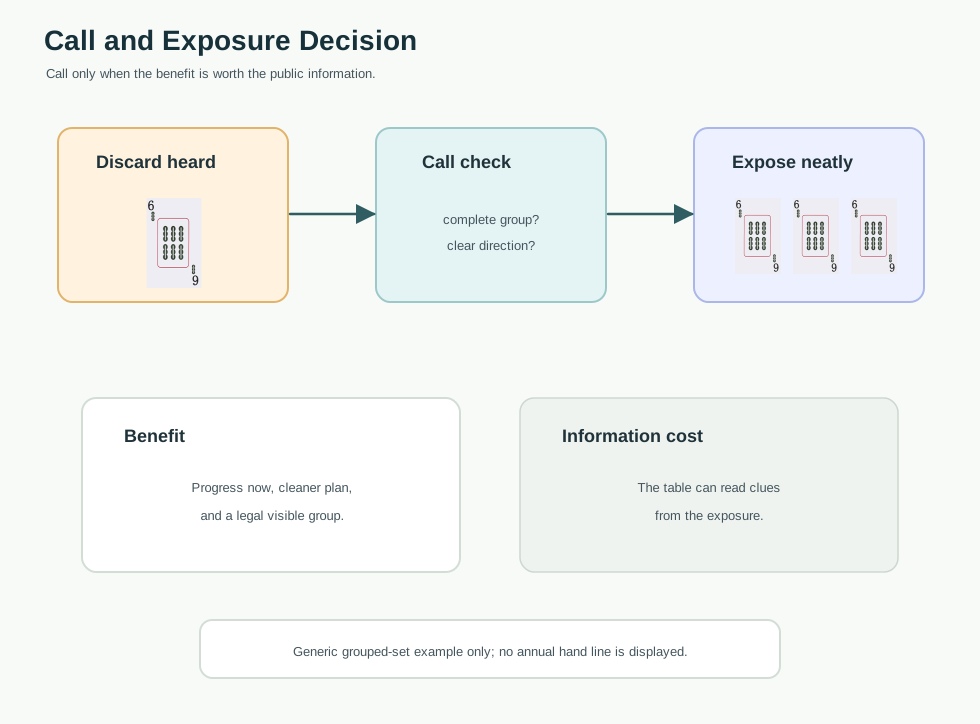
Minutes 15-18: joker scan
Place one imaginary exposure with a joker and ask what natural tile would redeem it. Then check whether that tile appears in your rack. This trains the habit of scanning exposures before staring at your own hand.
Minutes 18-20: defensive discard
Pick three possible discards and rank them cold, warm, hot, or burning. If you cannot justify the safest tile, you are not ready to throw. This two-minute ending makes your first real game decisions calmer.
Keep the decision moving
Use this article as a starting point, then ask about your own rack, table habit, product fit, or customer story.